

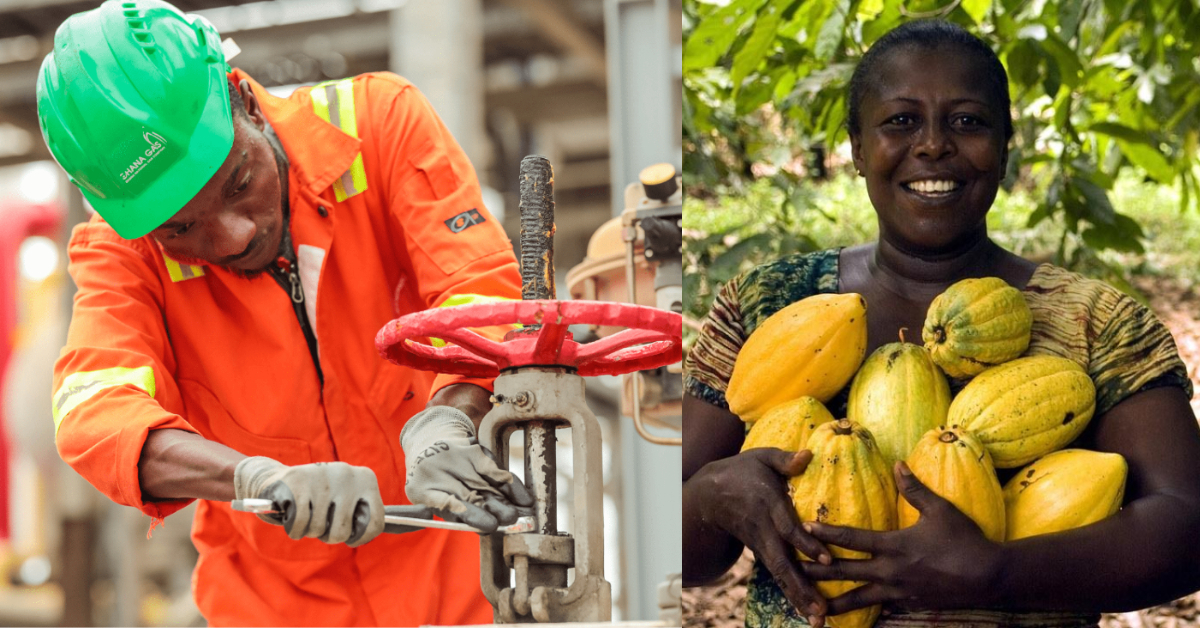
Ghana is known to be the most peaceful in West Africa and has a stable, promising economy, which is increasingly catching the attention of foreign investors.
The political stability, rich natural resources and growth in the tech industry have confirmed that Ghana is indeed the “Gateway to West Africa”. There are many green opportunities for people to invest their resources here and make profits.
Our beginner’s guide will let you understand the available opportunities with their advantages and disadvantages before you make a decision on which sector to invest in Ghana’s economy.
Top Sectors with High Investment Potential in Ghana.
For those who are very much interested in investing, Ghana should only focus on the sectors with massive growth rates. Below are some of the best sectors to consider.
- Agriculture and Agribusiness
In terms of agriculture and agribusiness, Ghana has the best arable land and a suitable climate for crop farming and animal farming as well.
The Opportunities: There are traditional crops like cocoa, cashew, shea, mango and pineapple, with cocoa being the top of it all in terms of production (Ghana is ranked the world leader in cocoa farming). In the agribusiness sector, the processing of raw materials like fruits, shea and others into finished goods is one of the lucrative sectors to also consider.
Our Beginner Tip: Before you invest in this sector, kindly consider partnering with some existing farmers and other co-operatives to get more knowledge on how this works in the country.
- Real Estate and Construction
This is also another great sector to consider because the urbanisation and growth in the middle class are raising the demand for housing and other commercial properties.
There are opportunities in commercial real estate that are office spaces for rent or sale, retail malls, and warehousing or storage facilities to support the logistics sector in the country.
Our Beginner Tip: Research areas on the outskirts of major cities like Accra and Kumasi that are poised for growth.
- Manufacturing and Processing
There was an initiative from the previous government called “One District, One Factory”. This gives clear data that an individual can also venture into the manufacturing and processing industry since it is not saturated at the moment.
It is known that Ghana has a strong incentive to produce what it imports. This includes food processing, building material, textiles and pharmaceuticals. Being able to reduce the over-reliance on imports as an individual is an opportunity.
Our Beginner Tip: The 1D1F programme offers various incentives; investigate if your business idea aligns with its goals.
First Steps to Investing in Ghana
Ready to take the plunge? Here is a practical checklist to get you started.
- Thorough Market Research: Do not skip this. Visit Ghana if possible. Understand your target audience, competition, and local consumer behavior.
- Develop a Solid Business Plan: Your plan should be tailored to the Ghanaian context, addressing the specific opportunities and challenges you’ve identified.
- Choose Your Business Structure: Decide whether to register as a sole proprietorship, partnership, or limited liability company. Most foreign investors choose the latter.
- Register Your Business: This is done through the Office of the Registrar of Companies (ORC) and the Ghana Revenue Authority (GRA) for your Tax Identification Number (TIN). Using a local registration agent is advisable.
- Open a Corporate Bank Account: You will need your company registration documents to open a business bank account with a local bank.
